Blog Posts
does trinity hemp get you high
Does Trinity Hemp Get You High? A Clear and Honest Explanation of Effects and Cannabinoids
As hemp-derived products continue to gain attention, questions around their effects have become more direct and more informed. Among these, one question is asked more frequently than most: does trinity hemp get you high. This question is not rooted in confusion alone, but rather in the evolving nature of hemp products and the expanding range of cannabinoids now being used in modern formulations.
In this article, the effects of Trinity Hemp products are explained clearly and responsibly. The focus is placed on cannabinoid chemistry, how inhalation changes those compounds, and what users may realistically experience. By the end, the question does trinity hemp get you high will be answered without exaggeration, misinformation, or promotional language.
The Difference Between Hemp and Marijuana
To understand whether Trinity Hemp products can produce intoxicating effects, the legal and botanical distinction between hemp and marijuana must first be clarified. Both originate from the cannabis plant family, yet they are separated under the law based on their Delta-9 THC concentration.
Hemp is defined in many jurisdictions as cannabis that contains no more than 0.3 percent Delta-9 THC by dry weight. Marijuana exceeds that threshold. This classification is often misunderstood, because it regulates only one specific cannabinoid and does not account for the full range of compounds that may be present in a hemp-derived product.
Because of this narrow definition, the question does trinity hemp get you high cannot be answered solely by pointing to the word “hemp.” A deeper examination of cannabinoid content is required.
What Trinity Hemp Products Are Formulated to Do
Trinity Hemp products are not positioned as CBD-only wellness items. Instead, they are formulated with cannabinoid blends that are intended to deliver noticeable effects. This distinction is critical when evaluating whether intoxication is possible.
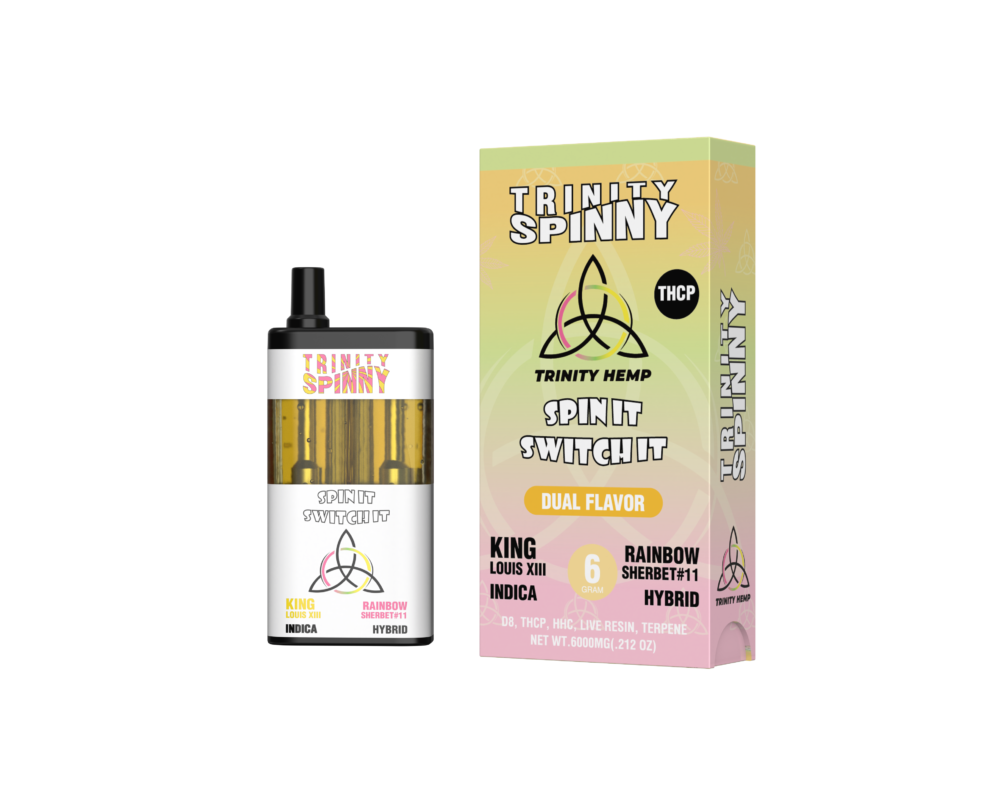
Many Trinity Hemp vape products are formulated using compounds such as THCA, Delta-8 THC, and other minor cannabinoids that are known to interact with cannabinoid receptors in the brain. These formulations are designed to be inhaled, which significantly affects how cannabinoids behave in the body.
Because of this design approach, the question does trinity hemp get you high becomes one of chemistry and delivery method rather than branding or legality.
The Role of THCA in Psychoactive Effects
A primary reason the question does trinity hemp get you high is asked so frequently lies in the presence of THCA within many Trinity Hemp vape products. THCA, or tetrahydrocannabinolic acid, is a naturally occurring cannabinoid found in raw cannabis plants.
In its unheated state, THCA is not considered psychoactive. However, when heat is applied, a chemical process known as decarboxylation occurs. Through this process, THCA is converted into Delta-9 THC, the compound most commonly associated with intoxicating effects.
Because vaping inherently involves heat, this conversion is triggered during use. As a result, products containing THCA can produce effects similar to those associated with traditional THC consumption, even if the original formulation complies with hemp regulations.
Delta-8 THC and Its Contribution to Intoxication
In addition to THCA, Delta-8 THC is often included in Trinity Hemp formulations. Delta-8 is chemically similar to Delta-9 THC, though its effects are typically described as milder in intensity.
Despite being perceived as less potent, Delta-8 THC is still psychoactive. When inhaled, it interacts with the same cannabinoid receptors in the brain, resulting in mood alteration, relaxation, and perceptual changes for many users.
Because Delta-8 THC is psychoactive by nature, its inclusion further supports why the question does trinity hemp get you high cannot be dismissed with a simple no.
Does Trinity Hemp Get You High?
At this point, the answer to does trinity hemp get you high can be stated clearly and without ambiguity. Yes, many Trinity Hemp products are capable of producing psychoactive effects. This is particularly true for vape products that contain THCA, Delta-8 THC, or combinations of multiple cannabinoids.
The intensity of the experience is influenced by several factors, including the specific cannabinoid blend, the amount inhaled, and the user’s tolerance. While the effects may not always mirror those of high-Delta-9 marijuana products, they are often described by users as intoxicating or euphoric.
Therefore, Trinity Hemp products should not be approached as non-intoxicating simply because they are hemp-derived.
How the Effects Are Commonly Experienced
When Trinity Hemp vape products are used, effects are typically felt quickly due to inhalation. This rapid onset can lead to noticeable changes in mood, perception, and physical sensation.
Experiences reported by users often include a sense of relaxation, mental elevation, or altered sensory awareness. In some cases, increased focus or introspection has been described, depending on the terpene profile and cannabinoid ratio used in the formulation.
Because these effects are subjective and vary from person to person, the question does trinity hemp get you high may be answered differently by different users. However, the presence of psychoactive cannabinoids means that such effects are not unexpected.
Legal Status and Consumer Confusion
Confusion around whether Trinity Hemp products can cause intoxication often arises from their legal status. Hemp-derived products are frequently assumed to be non-intoxicating due to their compliance with Delta-9 THC limits.
However, legality is based on specific measurements rather than overall psychoactive potential. As long as Delta-9 THC remains below regulated thresholds, other cannabinoids may be included even if they produce noticeable effects.
This regulatory nuance is central to understanding why the question does trinity hemp get you high continues to surface. Legal compliance does not equate to an absence of psychoactivity.
Who Trinity Hemp Products Are Intended For
Trinity Hemp products are generally marketed toward adults who are familiar with cannabinoid effects and who are seeking experiences beyond those offered by CBD-only products. They are not positioned as entry-level hemp items, nor are they intended for individuals who wish to avoid psychoactive effects entirely.
Because of their formulation and delivery method, Trinity Hemp vapes are best approached with awareness and moderation. The effects can be stronger than expected for individuals with low tolerance or limited experience.
Understanding this intended audience helps contextualize the question does trinity hemp get you high in a responsible and realistic manner.
Misconceptions Surrounding Hemp Intoxication
One persistent misconception is that hemp products cannot produce intoxication under any circumstances. This belief is rooted in outdated understandings of hemp chemistry and does not reflect the current cannabinoid landscape.
Another common misunderstanding is that if a product is sold legally, it must be non-intoxicating. As has been explained, legality and psychoactivity are governed by different criteria.
These misconceptions often lead to surprise when effects are felt, reinforcing the importance of clearly answering does trinity hemp get you high with accurate information.
Final Clarification: Does Trinity Hemp Get You High?
To conclude, the question does trinity hemp get you high can be answered with clarity and honesty. Yes, many Trinity Hemp vape products are capable of producing psychoactive effects due to the presence of cannabinoids such as THCA and Delta-8 THC. These effects arise through chemical conversion during heating and through direct interaction with cannabinoid receptors.
The experience may vary in strength and character, but intoxication is a realistic possibility rather than an exception. Trinity Hemp products should therefore be used with understanding, intention, and respect for their effects.
When approached responsibly, informed use allows expectations to align with reality, ensuring that the experience is neither misunderstood nor misrepresented.
